
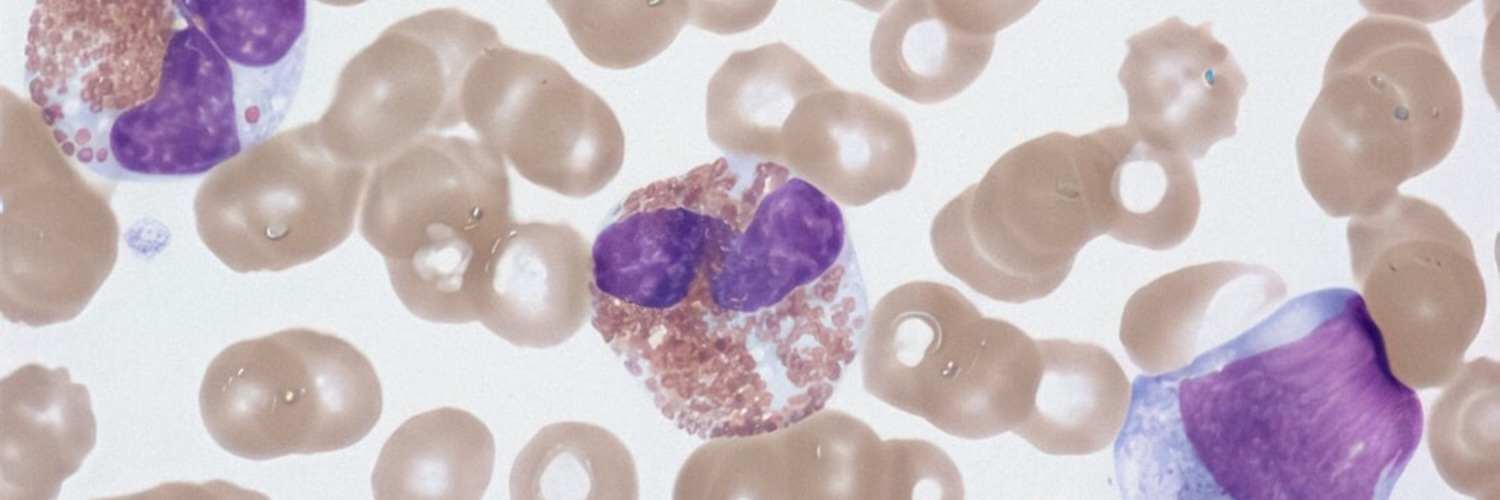
Pathology is one of the core diagnostic disciplines in healthcare. Pathologists examine tissues and cells, confirm diagnoses, and provide essential information to guide decisions regarding further treatment. In oncology in particular, modern pathology is closely linked to tumor diagnostics, molecular pathology, and personalized treatment approaches.
This opens up a diverse job market for board-certified pathologists, physicians in residency, and qualified healthcare professionals: from owner-operated specialist practices and medical care centers to private pathology institutes and specialized laboratories, as well as hospitals, university hospitals, and public research institutions.
Kontrast Personalberatung GmbH & Headhunter Agency for Physicians supports employers in the healthcare sector in the targeted recruitment of physicians, medical technicians, and executives.
Specialist Pathologist – Medicine with a Key Diagnostic Role
Specialists in pathology work primarily in a diagnostic capacity. Their work is based on macroscopic, histological, cytological, immunohistochemical, and—increasingly—molecular pathological examination methods.
Their findings answer key medical questions: What is the diagnosis? Is a tissue change benign or malignant? What are the characteristics of a tumor? Which markers may be relevant for further treatment?
Although pathologists often work outside the immediate scope of patient care, they are directly involved in diagnostic and treatment decisions. Collaboration with treating physicians in surgery, oncology, gastroenterology, gynecology, dermatology, urology, and other specialties is particularly important.
What types of physicians are sought after in pathology?
The job market extends far beyond the traditional specialist position. Depending on the employer, organizational structure, and specialization, various career paths emerge:
- Specialist pathologists specializing in histological, cytological, and molecular pathological diagnostics
- Physicians in pathology residency
- Senior physicians and lead specialists with clinical or organizational responsibilities
- Specialists in molecular pathology and tumor diagnostics
- Pathologists with a focus on research
- Medical directors of private practices, medical care centers, and laboratory sites
- Institute and department heads with overall responsibility for medical and personnel matters
This opens up career opportunities for experienced specialists in the fields of highly specialized diagnostics, medical leadership, research, and management.
Specialist Pathology Practices—Outpatient Diagnostics as a Distinct Employer Market
A significant portion of pathology care takes place outside traditional hospital settings. Private or physician-led specialty practices for pathology and cytology primarily examine specimens sent to them by private practitioners, outpatient facilities, and hospitals.
These practices can cover a broad diagnostic spectrum—from histology and cytology to immunohistochemistry and molecular pathology. Depending on their specialization, they may focus, for example, on gastroenteropathology, dermatopathology, gynecological and breast pathology, uropathology, or cytopathology.
This work environment is particularly appealing to medical specialists: the focus is on diagnostics, specialist interpretation of findings, and direct collaboration with the referring physicians. At the same time, pathology practices are medical facilities with their own laboratory, quality assurance, and organizational structures.
This creates attractive job opportunities for specialists as well as for medical laboratory technicians (MTL), laboratory managers, cytology specialists, practice management staff, and medical administrative personnel.
Pathology Medical Care Centers (MVZ) – Medical Practice within Larger Healthcare Structures
Medical care centers (MVZ) constitute another group of employers. They combine outpatient specialty medical practice with the structures of larger medical organizations.
In pathology in particular, there are various models: independent pathology MVZs, practice networks, locations of larger laboratory groups, or physician-led facilities within a medical network.
For physicians, this can be an interesting alternative to both traditional private practice and a hospital career. The work remains focused on specialist medicine, while organizational and administrative tasks can be more evenly distributed within a larger structure.
Career paths range from employed specialist to specialized practice leadership to medical director or site manager.
Healthcare Professionals in Pathology and Cytology
An efficient pathology department can only function through the collaboration of various professional groups. Medical technologists for laboratory analysis (MTL), formerly known as MTLA, play a particularly key role.
In pathology practices, institutes, and laboratories, job openings include, among others:
- Medical Technologists for Laboratory Analysis (MTL)
- MTLs specializing in histology or molecular diagnostics
- Cytology Specialists
- Histology and specimen preparation staff
- Medical Assistants (MFA)
- Laboratory Technicians and Natural Science Specialists
- Team and laboratory managers
- Practice Management and Medical Administration
- Quality and Process Management
- Digital pathology and laboratory IT specialists
As a result, the field of pathology also offers healthcare professionals interesting career development opportunities—ranging from diagnostic laboratory work to team, laboratory, or practice management.
Modern Pathology: Histology, Molecular Diagnostics, and Digitalization
The field is evolving rapidly. In addition to traditional morphological diagnosis, immunohistochemistry, molecular pathology, digital pathology, and automated laboratory processes are gaining in importance.
Tissue samples are no longer evaluated solely on the basis of their morphology. Molecular and immunohistochemical markers can provide additional information and influence individualized treatment planning.
Pathology facilities are therefore increasingly evolving into highly specialized diagnostic centers. For professionals, new intersections are emerging between:
medicine – laboratory diagnostics – molecular biology – medical technology – IT – quality management.
Pathology in Hospitals and the Public Sector
Attractive employers can also be found at municipal and public hospitals, university hospitals, medical schools, and publicly funded institutes.
Here, pathology is directly integrated into inpatient care and interdisciplinary collaboration. Tumor boards, clinical conferences, and collaboration with surgical and internal medicine specialties characterize the work environment.
University medical centers also combine diagnostics, research, medical continuing education, and academic teaching. For physicians, career paths range from board-certified specialist to senior physician, department head, and even institute director.
Medium-Sized Pathology Institutes and Specialized Medical Laboratories
In addition to specialist practices, medical care centers (MVZ), and public employers , private pathology institutes, medical diagnostics providers, and medium-sized specialty laboratories shape the job market.
These employers can be particularly attractive if there is a strong focus on diagnostics, specialized testing procedures, efficient laboratory processes, or the development of modern diagnostic services.
Career opportunities arise for pathologists as well as for medical laboratory technicians (MTLs), scientists, laboratory managers, and specialists in quality management, process management, and digitalization.
Four Employer Sectors—Different Career Prospects
For physicians and healthcare professionals, it is therefore worthwhile to take a closer look at the different employer structures.
Specialist medical practices and outpatient pathology centers offer specialist diagnostics, short decision-making paths, direct collaboration with referring physicians, and manageable medical teams.
Medical carecenters (MVZ) and private institutes combine outpatient care with larger organizational structures, specialized laboratory departments, and additional leadership opportunities.
Hospitals and the public sector offer close integration into clinical care, interdisciplinary medicine, and employment structures often governed by collective bargaining agreements.
University medicine and research complement diagnostic work with scientific projects, teaching, continuing education, and academic career paths.
Thus, pathology offers a wide variety of work models—and this is precisely what makes it such an attractive field of work.
Pathology as a Career Path for Physicians
Pathologists generally do not treat patients directly—yet their diagnoses have a significant impact on treatment.
For physicians who value analytical medicine, scientific principles, diagnostic precision, and focused specialist work, the field offers an interesting alternative to clinical disciplines that are heavily patient- and on-call duty-oriented.
Moreover, the career path does not necessarily have to lead to a university hospital or a large hospital. Specialist practices, medical care centers (MVZ), private institutes, and specialized laboratories open up further attractive career prospects.
Career and Leadership in Pathology
As professional experience grows, various career paths emerge. In addition to clinical specialization, physicians and healthcare professionals can assume responsibility for teams, diagnostic areas, laboratory processes, quality, practice organization, or entire institutes and locations.
For leadership roles, therefore, in addition to medical or laboratory diagnostic expertise, other skills gain importance: personnel management, process organization, quality management, interdisciplinary collaboration, digitalization, and an understanding of business operations. Pathology thus offers both a specialized career and a leadership career in the healthcare sector.
Pathology Job Openings – Discover New Career Opportunities
Physicians and healthcare professionals will find an exceptionally diverse job market in pathology, spanning private practices, outpatient care, hospitals, laboratories, molecular diagnostics, research, and medical management.
Our clients’ job openings range from specialized positions to high-responsibility medical and non-medical leadership roles.
Discover current job openings in pathology and healthcare at Kontrast Personalberatung.
Recruitment Consulting for Pathology and Medical Diagnostics
Kontrast Headhunter Agency & Recruitment Consulting GmbH, based in Hamburg, supports employers in filling specialized positions in the healthcare sector and medical diagnostics.
Key areas of focus include:
Board-certified pathologists || Physicians in residency || Senior physicians || Medical directors || MTL laboratory analysts || Cytology specialists || Laboratory directors || Practice management || Medical healthcare professionals || Quality and process management
Our recruitment consultants work with specialist medical practices, medical care centers (MVZ), medical institutes and laboratories, medium-sized healthcare companies, as well as employers in the public sector and university medical centers.
We combine headhunting, direct search, recruitment marketing, and structured candidate selection with an established network of candidates in the healthcare sector.
What professions and career opportunities are there in pathology besides those for physicians?
Pathology is a team effort. In addition to medical specialists, there is a particular need for medical technologists specializing in laboratory analytics (MTL), cytology specialists, BTA, laboratory technicians, medical office assistants (MFA), as well as specialists and managers in laboratory management, quality management, practice organization, and digital laboratory processes.
Career paths range from histology, cytology, and molecular pathology to team, laboratory, or practice management. Current job listings from pathology-focused medical care centers (MVZ), for example, show vacancies for specialists, MTLA/BTA laboratory technicians, and cytology assistants all at once.
Private practice, medical care center, or hospital—where can pathologists work?
Specialists in pathology can choose their workplace more based on their desired career and work model. A specialist practice offers outpatient diagnostics and close collaboration with referring physicians. Medical care centers (MVZ) and private institutes combine specialist practice with larger laboratory and organizational structures. Hospitals enable direct involvement in clinical care. University hospitals supplement this with research, teaching, and academic career paths.
What are the career prospects for pathologists?
The career prospects for specialist pathologists are diverse. Job opportunities are available at pathology practices, medical care centers (MVZ), private pathology institutes, specialized laboratories, hospitals, university hospitals, as well as in research and teaching. In addition to the traditional specialist position, career opportunities exist as a senior resident, medical director, site or institute director, and in specialized fields such as molecular pathology and digital pathology.
Is pathology a good specialty for doctors?
Pathology is particularly appealing to physicians who wish to combine diagnostic precision, analytical work, and science-based medicine with high clinical relevance. Direct patient contact is minimal, but the responsibility for diagnosis and treatment decisions is high. In cancer medicine in particular, pathologists provide crucial findings that guide further treatment. At the same time, the field is undergoing rapid technological advancement through molecular diagnostics and digital pathology.
What is the work-life balance like as a pathologist?
Pathology can offer physicians more predictable working conditions than many specialties directly involved in clinical care. Outpatient practices, medical care centers (MVZ), and pathology institutes, in particular, can provide attractive work-schedule models thanks to more structured diagnostic and laboratory processes. However, the specifics of daily work vary depending on the employer and role—university medical centers, hospitals, specialist practices, and medical care centers should therefore be compared carefully when making career decisions.